Unfortunately for those choosing beggars who actually get someone's login information, Netflix has set out to prevent users from sharing accounts and restrict people from swapping passwords. Currently, users have the option of setting up different viewing profiles using one login. They must, however, purchase premium plans to watch Netflix on more than one screen. Some users are getting around this by sharing passwords with family and friends outside of their household. It is not uncommon to share passwords of streaming services among family and friends. However, it looks like Netflix is trying to prevent this practice, which will also address security concerns.
For instance, the feature will stop those from logging in to someone else's account, who by any fraudulent means might have gain access to their account password. Feel free to share your password with the people you actually live with. Not only is this acceptable, but many of the streaming services also encourage it. They know how silly it would be for every member of a household to have to pay for his or her own subscription. I'm fascinated with the way people divulge these login credentials, and have also wondered how many people use the same password for multiple accounts.
Netflix will ask users to verify their account in case it detects that it is not being used by the owner. Sharing passwords with family members and friends may be common for users of streaming services, but the threats this can bring to account holders are often substantial. For example, if someone uses the same password for several online accounts, including Netflix, and the password is compromised, then many other sensitive accounts could be accessed. Netflix is a membership site that's just made to be shared.

I used to share my account with my Dad, even though we lived in different states. In fact, my account is "two screens + HD", which means that two people at a time can be viewing whatever they want from Netflix. You plus a child, you plus a sibling, or you plus a friend or roommate.

Until other people also start sharing the account, at which point it's not only bad news — what if you're #3 and can't watch a show on your own Netflix account? — but likely a violation of the terms of service anyway. It's also not clear how Netflix is defining a household. It could theoretically use IP addresses, but that won't cover the wealth of devices people tend to watch Netflix on .

This form of two-factor authentication used by Netflix helps ensure that only authorised users have access to the account. Another study found more than a quarter of all video streaming services are used by multiple households. That includes a family or friend sharing the account they pay for outside of the household, or, less commonly, several households splitting the cost.
And 16% of all households have at least one service that is fully paid for by someone else according to the study by Leichtman Research Group. One method to ensure a password is as secure as possible for streaming services is to use a password manager. These services typically also contain a password generator that is able to instantly create strong passwords, that are securely stored in the manager. Conventional password rules like using a long and random password, that is not used for any other accounts, are essential to follow. Although technically against terms of service, this is a common occurrence that Netflix doesn't seem to take issue with.

There is plenty of anecdotal evidence of users sharing accounts with partners or family members that live in different cities or even in different countries without problems. A poll conducted on Android Authority also showed that many people share their digital streaming logins with others. That increases to 26 per cent for 18- to 34-year-olds. The company said the feature was being tested with a limited number of users. It may signal a broader clampdown on the common practice of sharing passwords among relatives and friends to avoid paying for the popular streaming service.
Technically, sharing your password can violate a company's terms of service, giving it legal grounds to sue you for breach of contract. Don't worry—Netflix isn't going to sue you for sharing, but the fact these terms exist may give you pause. According to a survey by Magid for CNBC, roughly 10 percent of Netflix users do not pay for their accounts. All in all, about thirty-five percent of millennials share passwords for streaming services, compared to 19 percent of Generation X and 13 percent of Baby Boomers. Magid calculates that of Netflix's 137 million customers, 13.7 million are not paying $9.95 a month, which equates to a potential $135 million in missed sales for Netflix each month. Then, in March, Netflix started testing a feature that would display a message if you tried using an account outside of the owner's home.
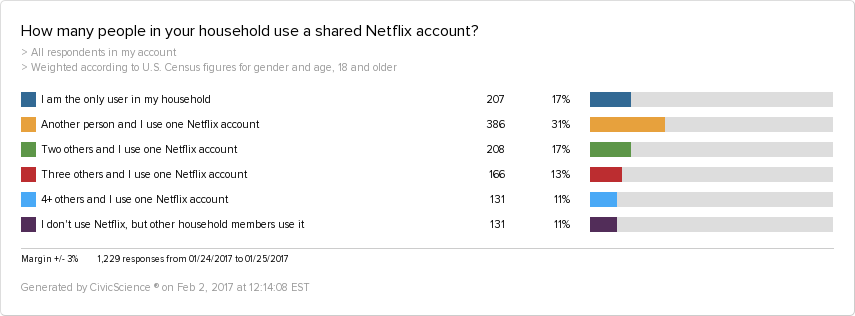
Second, I asked if they shared their media services with anyone and interestingly, 60% of people do share their accounts with at least one other person, such as family members and friends. One in three account holders shared their services with two or more others. When Netflix announced plans a few months ago to introduce new tests that are meant to target password sharing, many users were concerned that this may result in the end of account sharing. While Netflix has long had a 'no password sharing' policy, extremely high levels of password sharing exist between family and friends.

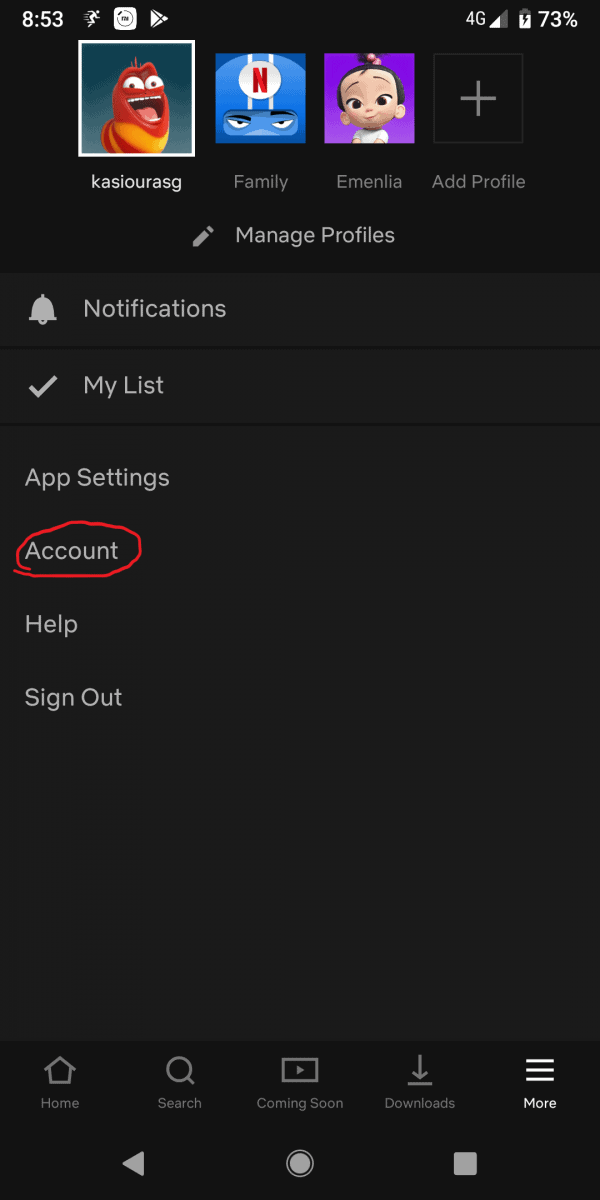
If you do think your Netflix has been used by people you don't know, there are two things you should do. First, on the Netflix "My Account" page, click on "sign out of all devices" under settings. This will give your account the boot on every device it's ever been logged into. Be sure not to use one that you've used elsewhere before, and if you can, make it a complicated mix of letters, numbers, symbols, uppercase, and lowercase. I'd suggest some good ones, but I don't need your Netflix password — I have my own. For most of us, that means a friend or family member borrowing our password has logged into our account.

But recently, there's an increasing chance that whoever binge watched BoJack Horseman with your account isn't someone you know. According to media reports, stolen Netflix passwords are a hot item on shadowy "dark web" markets. For less than $1, someone can buy your stolen login credentials and use your account to watch whatever they want. At some point, Netflix is going to need all of those people sharing accounts to sign up for one of their own. Hastings knows this, which means that the company will probably continue to test ways to encourage people to sign up. Netflix account holders also face cybersecurity issues when this occurs, as their passwords may be hacked and sold to criminals.

The security measure is raising worries Netflix is going to put an end to password sharing among friends and family members. However, the company is signaling the feature is merely a small-scale test focused on trying to stop hackers from using a Netflix account. The video companies have long offered legitimate ways for multiple people to use a service, by creating profiles or by offering tiers of service with different levels of screen sharing allowed.

Stricter password sharing rules might spur more people to bite the bullet and pay full price for their own subscription. But a too-tough clampdown could also alienate users and drive them away. A new feature, first spotted by GammaWire, prevents people who are not authorized to use the account from accessing it. With Netflix, you will also be able to stream content on 4 screens simultaneously. As a result, if you are someone who shares their Netflix account with their friends and family, then this feature will be pretty helpful.

Also, all the 4 screens will be available across all the devices and not just smartphones. More than a third of respondents were willing to quit a streaming service, such as Netflix or HBO, if the company used artificial intelligence to stop password sharing. However, I understand that most people (52%) want to share their accounts and therefore need to hand over the password. Typing in a complex password can be a frustrating experience, but we can make this easier with the help from password managers. Most users will also want to enter their details into multiple devices such as TV, laptop and smartphone.

The Netflix terms of service say that users of an account must live in the same household, though the company and other streaming services have declined to broadly crack down on sharing. This will sign out your account from all devices, including those used by the hacker. Now that you made sure that you are the only person using the account, it's time to change your password to ensure that the hacker doesn't log back in.

Earlier this year, a small number of Netflix users received a pop-up message, confirming the need to be in the same household with the account owner. "If you don't live with the owner of this account, you need your own account to keep watching," read one of the messages. The streaming service for years turned a blind eye to password sharing, but recently started prompting some of its users to verify their identity through a text message.
The streaming service has been testing a new security measure that can block access to a Netflix account if you don't live in the same household as the actual account holder. The company said a feature was being tested with a limited number of users, a move that might signal a broader crackdown on the common practice of password sharing among family and friends. Sharing passwords is as endemic to the Netflix experience as having your favorite show canceled two seasons in.

So when the streaming service starts testing ways to curtail that practice, it understandably riles up the many, many people who have come to expect communal accounts as a matter of course. And yes, it is always annoying when a gravy train goes off the rails. But even if it's not Netflix's top priority here, you're much better off keeping your password to yourself. If someone is unable to verify account ownership within a certain timeframe, they won't be able to stream any Netflix content.

How To Ask Someone For Their Netflix Password Instead, they'll be asked to make their own account. While this may not prevent all password sharing — hypothetically, an account owner could send their friend the code as it comes through — the idea is that it will prevent some password sharing. It's not okay for platonic friends who don't live with each other to share passwords over a long period of time. Don't ask your colleague for his or her password, no matter how many times you go out to lunch with each other.
"If you don't live with the owner of this account, you need your own account to keep watching," reads the message. It then asks users to either sign up for a trial, or verify their identity with an email or text. Sharing it with unknown people invites unwanted trouble. Your username and password could be shared by your friends with their friends and family, resulting in like a whole bunch of people you don't even know, using your account.
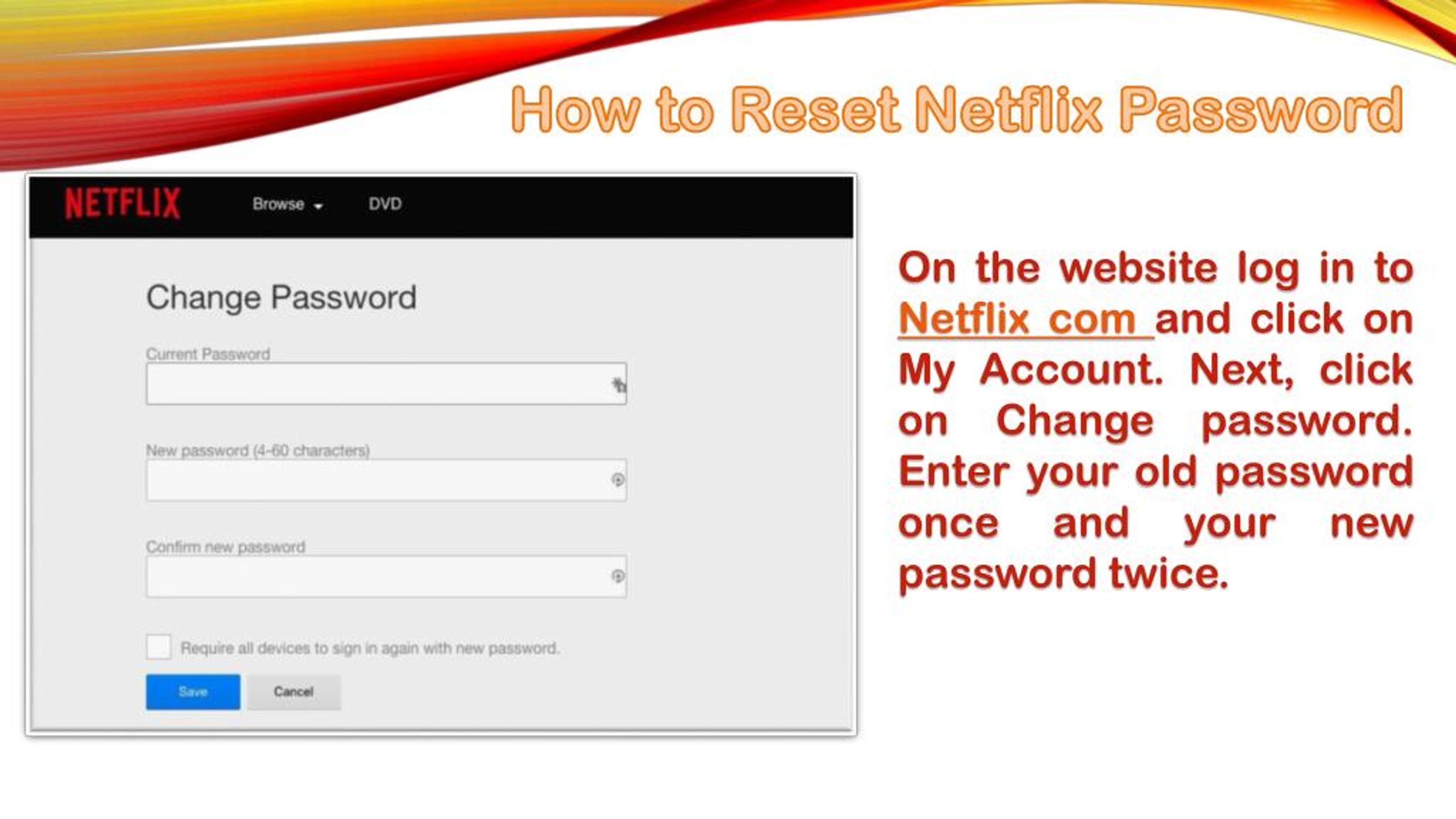
Fortunately, it's very easy to change your Netflix password, both in your desktop browser and in the Netflix mobile app. Your account password will then be updated on other devices, such as your smart TV or streaming stick. But the rules restrict how such logins are shared. As we describe above you can not see the password from the Netflix app.

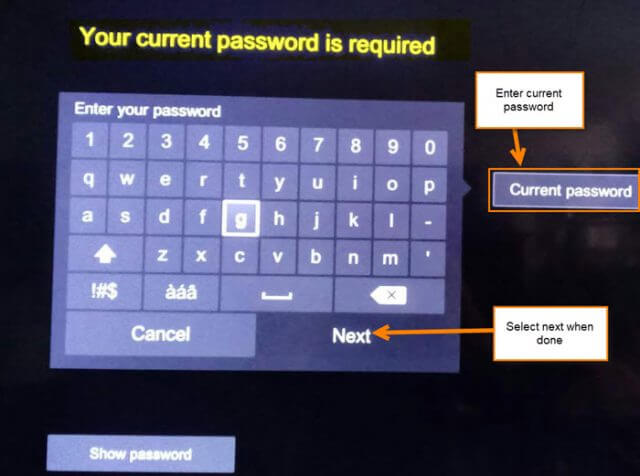
Apple TV automatically syncs the information from the logged-in email id. Netflix app will use the same email id for logging in. You may get a Netflix login issue if someone has changed the password. In that situation, you need to follow the steps to log in to Netflix on Apple TV. The prompt includes a button to start a 30-day free trial with the service.
However, you can regain access by requesting Netflix to send a verification code that'll be sent to the original account holder's email address or cell phone number. You most likely won't get in serious trouble for sharing your Netflix password. However, password sharing is technically illegal under a couple of laws. The state of Tennessee has a law that makes sharing passwords for media services illegal.

And the Computer Fraud and Abuse Act, enacted in 1986, could be interpreted to say that sharing passwords is a crime. Between January 2018 and December 2019, credential stuffing attacks targeting video services doubled, according to Akamai research. The media industry as a whole saw 18 billion attempts over that same stretch. When Disney+ launched, thousands of accounts immediately popped up on dark web markets as hackers sniffed out the password-reusers. "Short term, what this is going to stop is the bulk sale of credentials of this type," says Ragan.

This, of course, presupposes that all parties involved agree on sharing. If you aren't comfortable sharing your password with a roommate, then don't. He or she is not entitled to it just because you live in the same space. And if you move into a place where someone already has an account, don't assume that you automatically should get access to it. It's okay to ask and offer to split the monthly bill, but don't take it personally if the answer is no, and don't do bad things to your roommate's toothbrush afterward.

Truth be told, it seemed like such a move was inevitable. While this test doesn't mean Netflix will implement the crackdown widely any time soon, there's a huge amount of Netflix viewers who don't actually pay for the service. Ensure the check box "Require all devices to sign in again with new password" is selected. This will force anyone currently logged into your Netflix account to sign in with your new password (which they won't know). In fact, the entire "profiles" feature is built around various people using one account, and is aimed at ensuring they can each do so as if they have their own login.
It also offers the ability to watch on multiple devices at once as part of its numerous membership tiers. You can see some of this data if you check in your own account, where it will show the devices that are logged in as well as a guess about where they might be. You can then click to log people out, if you find people sharing your account that you'd rather didn't. In 2019, Vox reported that 14% of US Netflix users were using the accounts of family and friends outside their households, according to analysts MoffettNathanson. The data also revealed that "Netflix non-payers" equated to around 8 million users.
In fact, when researching the phenomenon of sharing passwords, I found that people on Twitter sometimes ask their followers if they are happy to share their Netflix credentials with them. More worryingly, some followers actually comply with such demands. First, let's address a frequently asked question that often pops up on Google and websites like Quora. After all, you wouldn't be able to create multiple profiles if Netflix accounts were limited to a single person.
It's true strangers can get access to a Netflix account by successfully guessing the email address and password or by buying the login information from cybercriminals on the digital black market. These hacked Netflix accounts can sometimes sell only for a few dollars each. If you created your Netflix account with your phone number, you can perform a Netflix password change by text message . There's an option to require all devices to sign in again with the new password. If you don't want to share the new Netflix password, select this option. This logs all connected devices out of the Netflix account, and only those with the new password can log back in.